
Change starts with creation.
Equipping creators with the tools to inspire change and drive social impact.
Artit
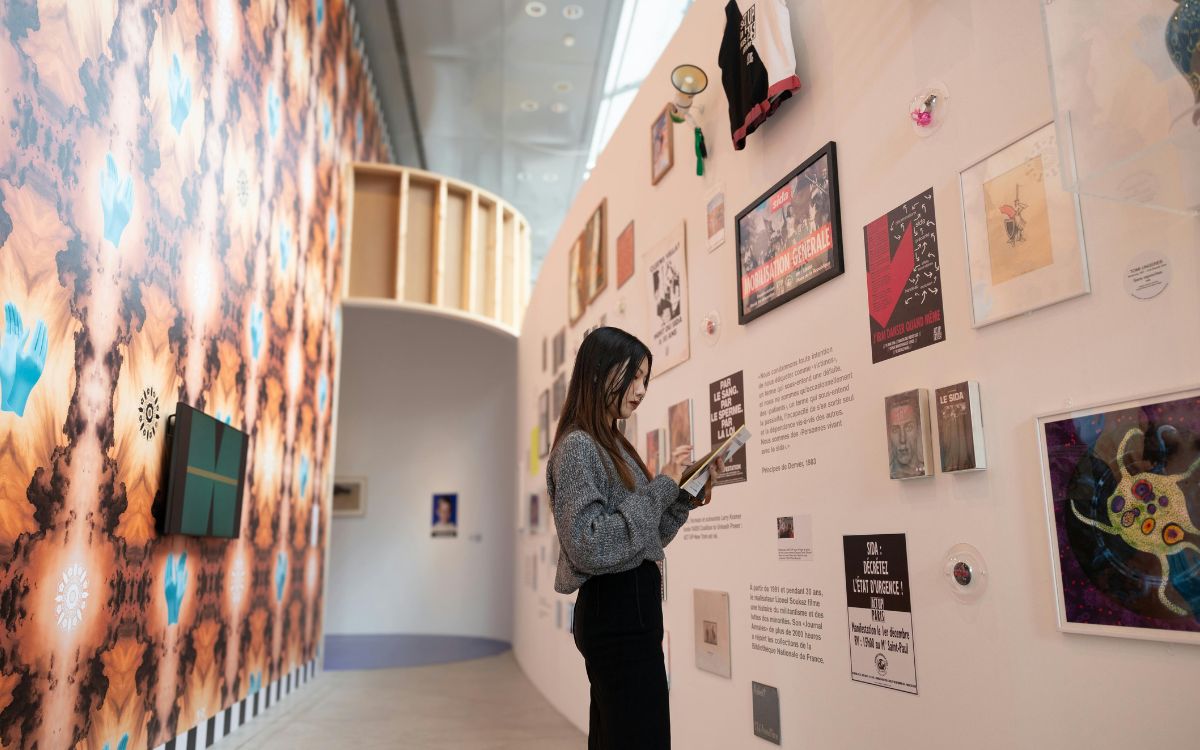
Intercultural Dialogue Through the Arts
How can creative collaboration support youth inclusion and mutual understanding?
Artit
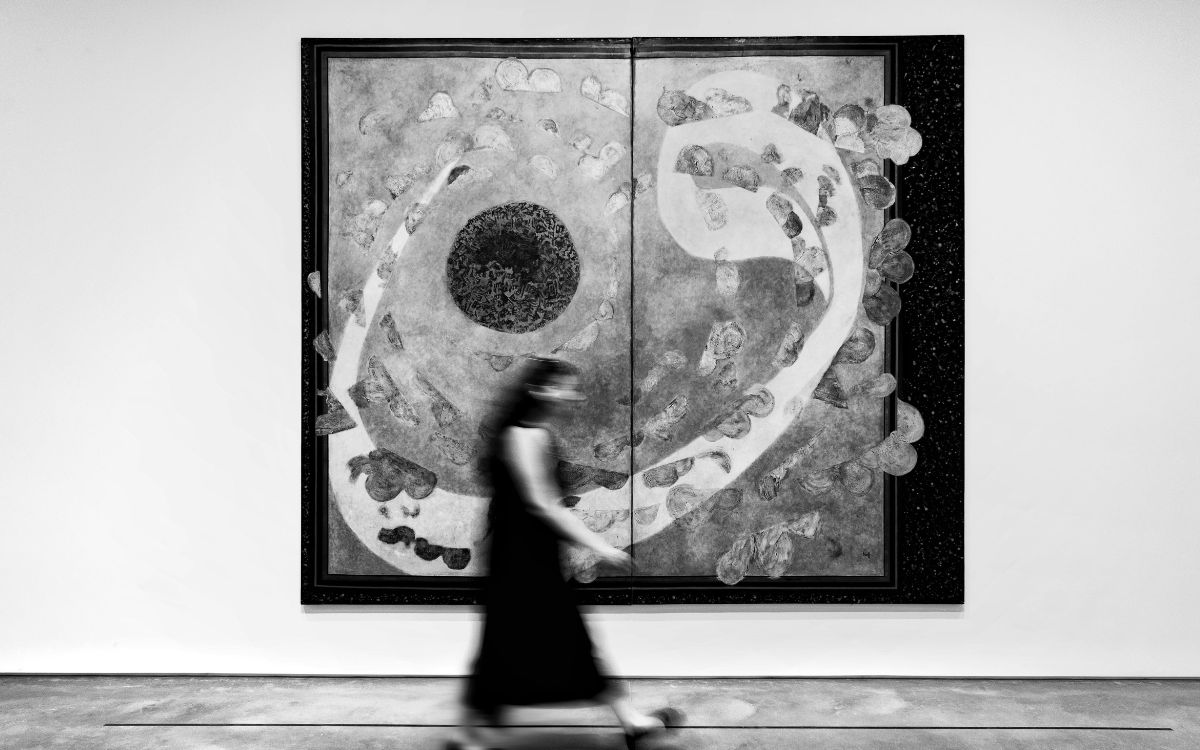
Barriers to Arts Participation for Migrant Youth
What structural and social exclusions limited access to cultural life between 2019–2020?
Evangelia Ploumistou
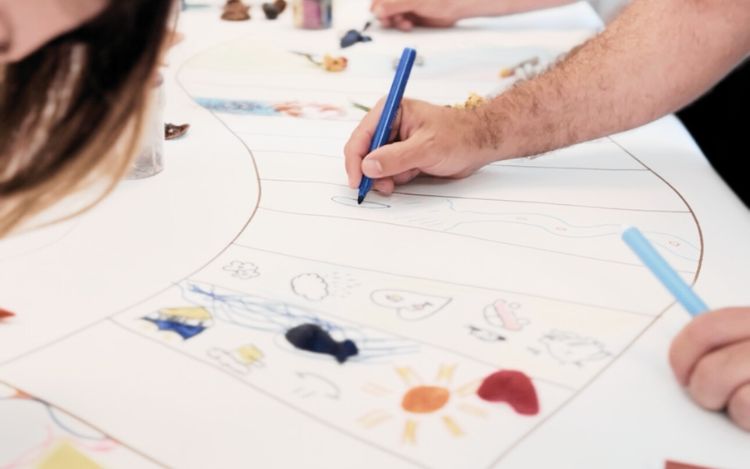
What does inclusion look like in practice?
A Reflection from the Study Visit in Athens

Artit
Teaching for a World in Transition
Six practices for rebuilding the design classroom from the ground up

Evangelia Ploumistou
Podcast with Jenny Marketou
Art as an ecological intervention

Artit
Rethinking Design Education for a Green Future
How can Art & Design education respond to the urgent demands of the green transition?
OUR PROJECTS AT A GLIMPSE

Art Hubs For Youth
Art has shown great potential in addressing social exclusion, particularly through community-based and participatory practices. These initiatives foster civic engagement, dialogue, and empowerment, especially among marginalised and migrant communities. However, across Europe, such efforts often remain fragmented, short-term, and disconnected from broader cultural strategies. Without institutional support, strategic direction, and long-term evaluation, their impact is limited, and their transformative power underused. In response to the growing challenges of xenophobia, racism, and social exclusion, the action aims to create safe spaces—Art Hubs—where young people from migrant backgrounds, youth workers, and volunteers can engage in creative expression, intercultural dialogue, and community-building. Through specialised training and artistic initiatives, the project equips participants with tools to challenge stereotypes, promote mutual understanding, and contribute to social cohesion within their local communities.

ARTY
The pandemic has disrupted mental health services in 93% of countries worldwide, even as demand for support continues to rise. Isolation, bereavement, and uncertainty are triggering new mental health conditions and deepening existing ones, while youth workers, psychologists, and practitioners are too often left without the tools to respond. What's needed are approaches that meet young people where they are and art, explored through the digital world, offers a therapeutic strategy built for this moment. The project brings together professionals from different countries and sectors to develop a practical guide and toolkit, equipping youth workers, psychologists, social workers, and organisations with the skills and resources they need to support young people's mental well-being through art. By turning digital creativity into a therapeutic tool, ARTY helps professionals meet this moment with confidence, competence, and care

Digital Theatre
COVID-19 forced theatre to stop. When it came back, the world it returned to was different: audiences had moved online, funding had dried up, and the skills gap between theatre practitioners and the digital tools they now needed had never been more exposed. For many professionals, especially those with limited digital experience, the transition felt impossible. For non-professionals and community theatre groups, the risk of simply disappearing was real. The performing arts needed more than recovery; they needed a new toolkit. Digital Theatre equips theatre professionals and non-professionals alike with the skills, methodologies, and resources to work in a digital-native environment. A training curriculum and guide give theatre professionals a concrete framework for adapting their practice. A parallel guide supports non-professional practitioners in building confidence and exploring new modes of delivery. Five national theatrical teams develop and perform original digital plays, raising awareness of societal issues in the process. Everything feeds into a central Digital Theatre Resource Platform: an open, online hub housing guides, scripts, performances, an e-learning programme, and a community of practitioners across Europe.

DIGARTED
Art schools across Europe are training the next generation of artists with curricula that haven't kept pace with the digital world. Educators themselves often lack the skills and confidence to teach digital art, not because of disinterest, but because the training simply doesn't exist for them. Students graduate underprepared for a labour market that increasingly demands digital fluency alongside traditional artistic practice. The gap between art education and the real demands of the creative industries is widening. DIGARTED builds digital art capacity from the inside out, starting with educators. A dedicated training module gives art educators the skills and confidence to develop and deliver their own digital art curricula, addressing a gap that existing courses, designed almost entirely for students, have left untouched. A short-duration course on digital art basics leads to micro-credentials, giving students flexible, market-relevant qualifications. A pedagogical framework for one core and one elective undergraduate course gives higher education institutions a ready-made, replicable starting point for integrating digital art into their programmes.
Interested in collaborating on an art project?
Would you like to bring Artit into your partnership?
Let's explore new possibilities together!