
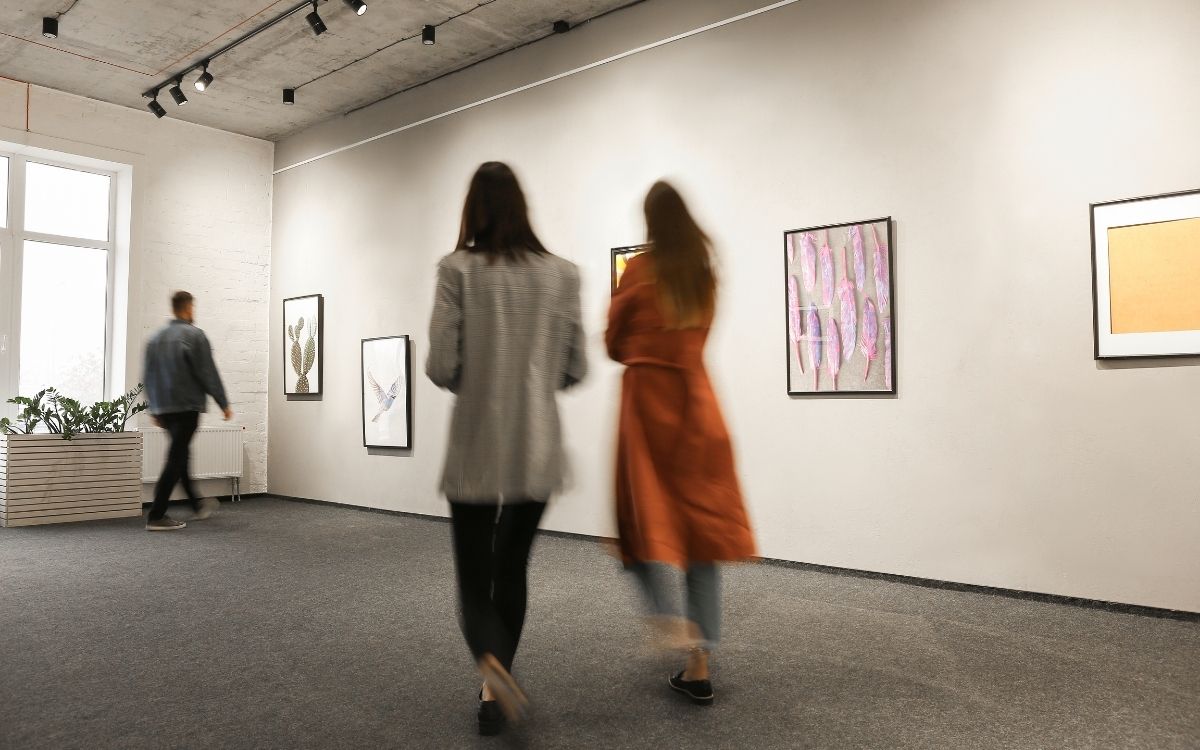
Every cultural institution, festival, or community arts program eventually faces a version of the same question: Who is this for? The answer is almost always broader in theory than in practice. We say everyone.
We mean, often without realizing it, a particular kind of everyone, people who move in expected ways, communicate in expected ways, and engage with culture in expected ways. Young people with intellectual disabilities and neurodevelopmental differences have always had creative voices. What has been slow to change is whether those voices get heard, whether the Culture & Creative Sector creates the conditions for them to develop and share their work, whether institutions recognize what they have been missing by not making room. This is not a question about charity or special provision. It is a question about what culture is for, and who gets to shape it.
What Accessibility Actually Requires
Genuine accessibility in the arts is harder than it sounds, and more interesting. It requires more than a ramp at the entrance or a single adapted workshop tucked into an otherwise unchanged program. It asks institutions to examine their assumptions about who belongs, what participation looks like, and what counts as legitimate creative engagement. For young people with neurodevelopmental differences, the barriers are often less visible than a flight of stairs. They live in the gap between what institutions offer and what people actually need, in inflexible formats, in environments that assume a particular kind of attention, in programs built around a narrow model of what an audience or a participant looks like.
It requires rethinking the design from the ground up, not patching it after the fact. This is also where digital tools open genuinely new possibilities. Technologies that allow flexible participation, that let someone engage at their own pace, in formats adapted to their needs, without having to fit themselves into a space not designed for them, are not a substitute for physical inclusion. But they extend the reach of inclusive practice in ways that were not possible before, and they challenge cultural institutions to think about access as something built into the design of every program, not added at the margins.
Innovation as a Cultural Value
Social innovation in the Culture & Creative Sector means more than new formats or new audiences. It means changing the relationships through which culture is made and shared, so that communities that have historically been on the receiving end of cultural programming become active participants in shaping it. This shift is not just ethical. It is creative. When the range of voices in a room expands, so does the range of what gets made. Institutions that have genuinely opened themselves to participation by people with disabilities and neurodevelopmental differences consistently find that it changes not only who is included but what inclusion reveals about the assumptions everyone else had been carrying unexamined.
Digital innovation accelerates this when it is used well. Platforms that support co-creation, tools that allow non-verbal or alternative forms of expression, digital archives that preserve and share work from communities rarely represented in mainstream cultural memory, these are not peripheral additions to the sector's work. They are part of how the sector becomes more of what it claims to be.
From Compliance to Culture Change
One of the central tensions in this field is the gap between what is possible in a well-resourced, carefully designed initiative and what becomes standard practice across an institution. Inclusion projects succeed; they transform how participants see themselves and each other, produce work that surprises everyone involved, and open up new ways of thinking about what a cultural venue is for. Then the funding ends and the institution returns to its defaults.
Closing this gap requires treating accessibility not as a compliance requirement but as a cultural value, something that shapes decisions at every level, from how a program is designed to how a building is managed to how staff is trained and supported. It requires sustained investment in capacity: not just dedicated accessibility officers, but curators, digital teams, and leadership who understand inclusion as part of their core work. It also requires building genuine partnerships with disability communities, with researchers, with practitioners from adjacent fields, rather than designing programs about people without them. The institutions making the most progress are not those that have found a perfect model. They are those who have built the relationships and the internal cultures that allow them to keep learning.
A Sector in Transition
The Culture & Creative Sector is in the middle of a slow, uneven, necessary transition. Pressure is coming from multiple directions at once, from disability rights frameworks that demand genuine participation rather than token access, from digital transformation that is reshaping how cultural work is made and distributed, and from audiences and communities who are no longer willing to accept being excluded from institutions that claim to serve them.
What is emerging from this pressure, in the places where it is being taken seriously, is not a single model but a set of shared commitments: that accessibility is foundational, not optional; that digital tools are most powerful when they serve inclusion rather than replace it; that the sector's credibility depends on whether it can actually deliver on its stated values. This is slow work. It does not resolve into tidy answers or replicable programs that transfer unchanged from one context to another. But it is the kind of work that actually changes things, not in a single project or a single initiative, but over time, in the accumulation of practices, relationships, and shared commitments that gradually shift what is considered normal.
The themes explored in this article are at the heart of the Artistic Minds Project (101173645), co-funded by the Creative Europe Programme of the European Union, promoting inclusivity and accessibility of the Culture & Creative Sector through digital and social innovation.