You have to login first before submitting your work.
Discover / Arts x Climate
Across Europe and around the world, older adults are living on the frontlines of climate change.
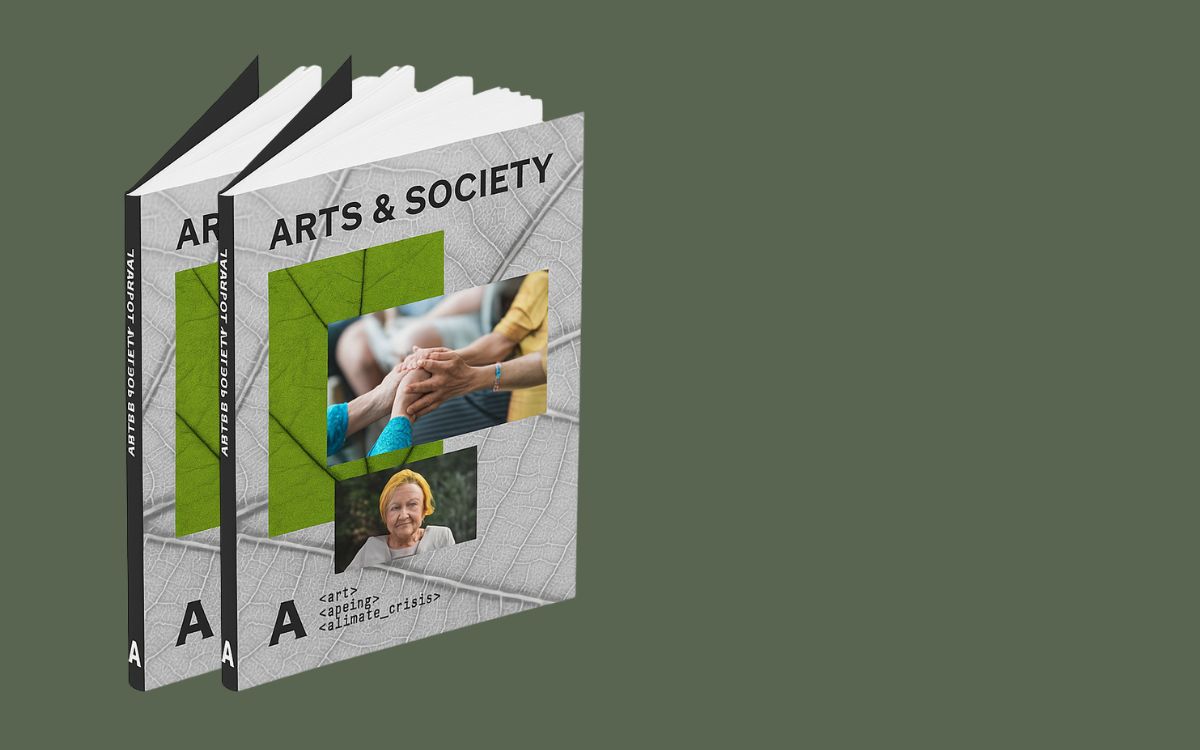
They are not just witnesses to a rapidly changing environment, but also among the most vulnerable populations affected by it, from heatwaves and floods to food insecurity and displacement. Yet despite their lived wisdom and long memory, older people are too often left out of climate action initiatives. At Artit, we believe that older adults are not only capable of meaningful climate engagement, but they are essential to it. This guide, based on the completed Seniors Climate Action (SCA) Erasmus+ project and expanded by Artit, offers a comprehensive, creative, and practical framework for professionals who work with older people. It is designed for those who want to create safe, inclusive spaces where older adults can connect, reflect, and act on environmental issues through the power of creativity.
Whether you're an artist, a care worker, a community organiser, or a local authority staff member, this guide equips you with tools to bridge the gap between climate knowledge and personal action through arts-based, participatory methods.
✧✧✧
✧Participation Principles: Laying the Foundation for Meaningful Engagement
Creating the right conditions for older adults to engage with climate themes starts with trust, inclusion, and emotional safety. Here are the guiding principles:
1. Start with Familiarity
Use familiar settings and language. Don’t begin with climate science; start with seasons, gardens, memories of walking to school, or traditional food preparation. Anchor environmental topics in lived experience.
Example: A workshop opens with a simple question: "What do you remember about the first snowfall of the year when you were a child?" This triggers personal memories that later lead to discussions about changing winters.
2. Foster Emotional Safety
Climate discussions can provoke anxiety, grief, or sadness. Create a space where all emotions are welcome and nothing needs to be "fixed."
Tip: Include a reflection time at the end of each session with a grounding question like:
“What stayed with you from today’s conversation?”
3. Respect Different Levels of Readiness
Not everyone will want to talk or create immediately. Participation might look like listening, helping with materials, or coming back week after week without speaking. This is still a valid engagement.
Practice: Allow “entry points” at different levels, verbal, visual, tactile, or silent.
4. Honour Life Experience
Older adults carry decades of lived wisdom. Frame climate action as intergenerational care, continuity, and shared responsibility, not as a new burden to carry. Quote from participant:
"I’ve lived through wars and rebuilding. I know what resilience means. Maybe I can help my grandchildren learn that, too."
✧Creative Activity Formats: Art as a Doorway to Engagement
Artistic expression offers a unique way for older people to process environmental change, not through statistics, but through memory, emotion, and imagination. Here are activity formats that have worked across contexts:
1. Memory Mapping
Participants draw or collage a map of a place they know well (village, city street, coastline) from memory, then add a layer of how it has changed over time.
Materials: Paper, pencils, colored markers, glue, and old magazines.
Impact: This activity often reveals subtle environmental shifts and deep emotional connections to place.
2. Climate Diaries
Participants keep a weekly notebook of local environmental observations: early blossoms, unusual rainfall, strong winds, etc. These are paired with reflections or sketches.
Extension: Can be shared monthly in a group to create a seasonal community diary.
3. Found Object Assemblage
Invite participants to collect discarded or natural objects (bottle caps, leaves, string, feathers) and create an artwork titled “Things I Wish We Kept.”
Reflection Prompt: What do these objects say about what we throw away? What’s still beautiful in them?
4. Intergenerational Letter Writing
Encourage participants to write letters to their grandchildren, future generations, or even their childhood selves about environmental changes they’ve seen and hopes for the future.
Tip: These can be read aloud in a closing circle or illustrated with drawings.
5. Patchwork of Actions
Create a fabric or paper patchwork quilt where each square represents a sustainable action participants already take (e.g., composting, mending, reusing). Assemble it as a visual celebration.
Message: “We are already doing more than we think.”
✧Barrier-Focused Adaptations: Ensuring Everyone Can Participate
1. For Limited Mobility
2. For Cognitive or Memory Impairments
3. For Emotional Overwhelm
✧Sample Workshop Structures
Option A: Single Drop-In Session
Theme: “Seasons of Change”
Activity: Memory Mapping + Climate Diary Starter
Duration: 90 minutes
Closing Prompt: "What do you notice now that you didn’t before?"
Option B: 3-Session Mini-Series
Theme: "From Memory to Meaning"
Session 1: Story Circle – Environmental Memories
Session 2: Found Object Assemblage
Session 3: Intergenerational Letter Writing + Showcase
Optional: Invite local youth to read letters aloud.
Option C: 6–8 Week Creative Journey
Goal: Build community, deepen reflection, and co-create a collective artwork (quilt, zine, mural).
✧Climate Facts in Plain Language
To empower older participants, climate facts must be relatable and free from jargon. Here’s how we present data:
“Since the 1950s, summers in Southern Europe have become longer by about 5 weeks.”
“In 2022, over 60,000 people in Europe died due to extreme heat. Most were over the age of 65.”
“In the UK, the average household throws away nearly 70 kg of food each year.”
Use questions like:
“Have you noticed the trees blooming earlier?”
“Do the seasons feel different from when you were young?”
“How has your food shopping changed in recent years?”
✧Emotional Support Tools: Creating a Space for Grief and Hope
Environmental change often stirs deep emotions. Our role is not to “solve” these, but to make space for them. Practices include:
Facilitators are encouraged to:
✦ ✦ ✦
This guide is not about making perfect art or solving the climate crisis. It is about helping older adults feel connected, heard, and empowered through creativity, care, and community. At Artit, we are committed to creating inclusive, imaginative tools that support social and environmental engagement across all ages. We believe that creativity can be a powerful force for change, and that older adults have a vital role to play in shaping the future. If you have insights, stories, or creative work you'd like to share, or if you're interested in developing a similar project together, we would love to hear from you. Get in touch with us and let's imagine what's possible.