
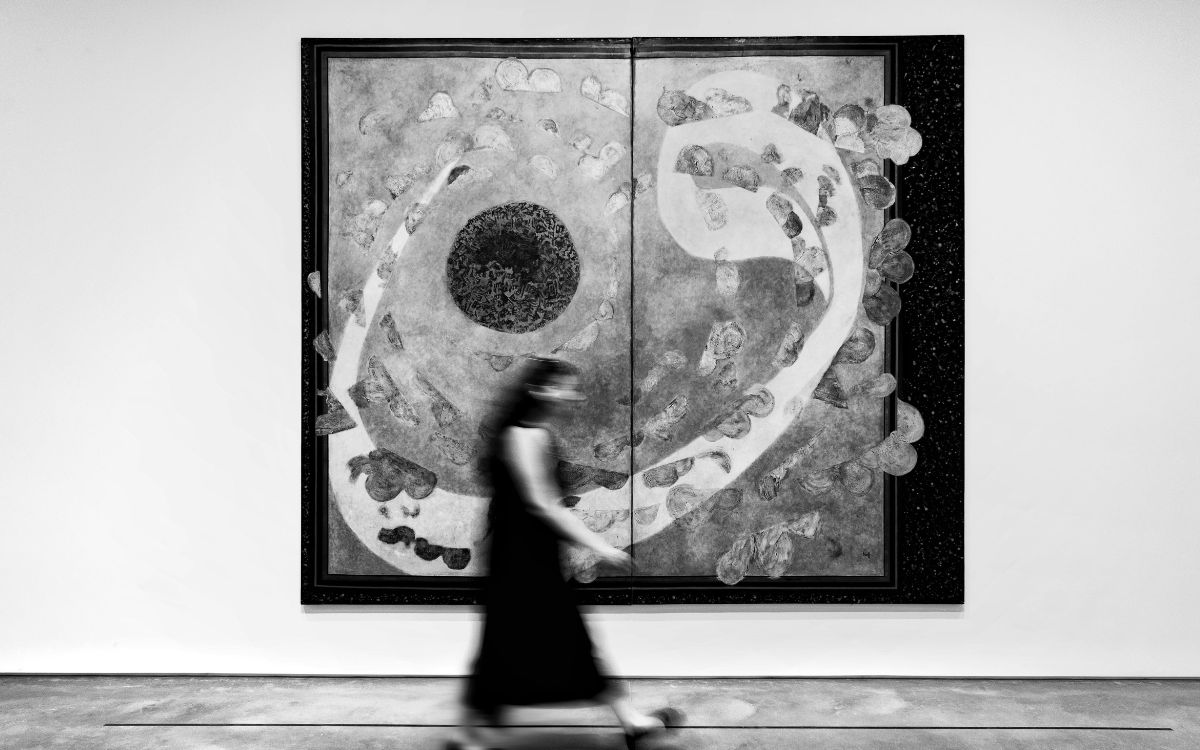
The gallery is open, but who gets to walk through the door?
Between 2019 and 2020, while European cities celebrated cultural festivals, biennales, and national arts strategies, an entire segment of the population, migrant youth, continued to navigate a maze of invisible barriers to access, participate in, and shape cultural life. Art was everywhere, yet not everyone could claim a place in its making.
An entire generation is navigating Europe's cultural landscape like visitors in their own cities. The gallery doors are technically open, but the real barriers? They're invisible, systemic, and devastatingly effective.
The Problem Nobody Wants to Name
Here's what we discovered when we looked beyond the participation statistics: cultural exclusion isn't just about not having a museum pass. It's about walking into a space and never seeing yourself reflected back. It's about arts programs that assume everyone grew up with the same reference points, speaks the same cultural language, and understands the same unwritten rules. Through our analysis of cultural practices across Germany, Greece, Italy, and the UK, we consistently observed this pattern: migrant youth weren't absent from cultural spaces because they weren't interested. They were absent because these spaces had unconsciously designed them out.
The numbers tell part of the story. Our research confirmed what many suspected: non-EU migrants aged 25–64 had a cultural participation rate of just 19.3%, compared to 25.7% for nationals. While this might seem like a narrow difference, it reflects a much broader pattern of inequality, one that begins long before adulthood, often in school, and extends into every part of civic and creative life.
Young people from migrant backgrounds face compound barriers that begin in education, where only 17% reach upper secondary education in countries like Germany compared to 23% of native-born peers, and extend into every aspect of cultural life. Lower educational attainment often means fewer opportunities to engage with cultural programs, either as participants or creators. But even when young migrants make it into arts spaces, they often find themselves treated as temporary guests, not co-owners.
The Barriers That Nobody Talks About
The challenge isn’t only access; it’s representation and legitimacy. A 2022 report by the Migration Policy Institute, reviewing 11 EU countries, highlighted that migrant communities remain largely absent from leadership, programming, and public-facing roles within cultural institutions. Their presence as artists, curators, or cultural mediators is still the exception, not the norm.
This systemic imbalance is rarely intentional, but it is deeply ingrained. Programmes often default to Eurocentric themes. Funding streams favour established actors. Application processes require fluency in local bureaucratic language. And the assumption persists that migrant art belongs in the margins - under "diversity" banners, rather than the centre stage.
What the Political Climate Did to Arts Spaces
We need to address something that shaped everything during our research period. The aftermath of the 2015 refugee crisis and the political climate leading into 2019–2020 created an environment where arts spaces, especially publicly funded ones, became cautious about being perceived as "political" if they foregrounded migrant narratives.
This subtle retreat from risk often came at the expense of inclusion. We observed institutions defaulting to safe programming, avoiding anything that might trigger controversy. The result? Some of the most powerful artistic voices were pushed further to the margins just when their perspectives were most needed.
What We Actually Found
Our fieldwork across European cities revealed something both simple and complex.
The programs that successfully engaged migrant youth shared five characteristics, which we call the ACCESS Framework:
Authentic representation: Young people saw their experiences reflected, not exoticized
Community ownership: Programs emerged from communities rather than being imposed on them
Creative agency: Participants shaped content, didn't just consume it
Economic sustainability: Real pathways to cultural careers, not hobby programs
System integration: Connection to mainstream institutions, not permanent marginalization
Support networks: Ongoing mentorship and peer connections
The breakthrough happens when you realize this isn't about adding diversity workshops to existing programs. It's about fundamentally reimagining who cultural spaces serve and how they operate.
Here's What Actually Works
Watch how the best programs handle this challenge.
In Athens, we found community arts centers where young photographers weren't just documenting "the migrant experience". They were documenting gentrification, urban change, and the lives of all their neighbors. Their work now hangs in galleries across the city, not because it's "migrant art," but because it's exceptional art. The difference? These centers started with a simple question: "What stories do you want to tell?" Not "Let us help you tell your migration story." The distinction matters enormously.
In London, we studied a migrant young woman who'd spent years attending cultural events but always feeling like she was watching someone else's life through glass. When she joined a community storytelling project, instead of being asked to share her migration story—again—she was invited to explore whatever story mattered to her. She chose to investigate the lives of women vendors in her neighborhood market, creating a multimedia piece that combined traditional textile techniques with contemporary digital storytelling. Two years later, she's completing her degree in cultural management and consulting for museums on community engagement.
But here's what really matters: she didn't change to fit European cultural institutions. She helped change how they think about community, creativity, and cultural value. That's the future we're building toward, not integration through assimilation, but cultural evolution through genuine collaboration. The gallery doors have been open all along. Now we're teaching the galleries to speak the languages of everyone who wants to walk through.
The Question That Changes Everything
At the heart of this work lies a fundamental challenge: Who gets to imagine the future of culture in Europe? Our research suggests the answer can't be limited to those who've traditionally held cultural power. The most vibrant, relevant, and economically successful cultural programming emerges when migrant voices move from the margins to the center, not as tokens, but as equal partners in cultural creation.
This isn't about charity or social responsibility. It's about cultural institutions recognizing that their survival and relevance depend on reflecting the full complexity of European society. The question isn't whether migrant youth deserve access to cultural spaces. The question is whether cultural spaces can afford to continue operating without them.
In response, our 2019–2020 project, co-funded by the European Union under the Erasmus+ programme, Art Hubs for Youth (ABT) set out to challenge these exclusions. Through interdisciplinary workshops, co-created exhibitions, and tailored training, we provide tools not just for artistic expression, but for agency.