

What does it take to turn collective trauma into something a community can actually stand in front of and look at together?
This is not a hypothetical; it's what happened over three days in Chalcis, Evia.
From May 14–16,2025 ARTIT had the honour of hosting the Íchni International Lab in Chalcis, Evia — as part of the wider Turning the Tide initiative, co-funded by Creative Europe. This three-day gathering brought together cultural organisations, artists, academics, and local voices from across Sweden, Austria, Poland, Greece, Scotland, and the Netherlands.
In the month leading up to the final event, a group of international and local artists took part in a month-long residency across Evia, living in the region, engaging directly with communities, and listening to their experiences. Through conversations, site visits, and shared time, they encountered firsthand the trauma and resilience that have shaped the land since the devastating 2021 wildfires and the subsequent floods. These exchanges became the foundation for the artworks and ideas presented during the public programme.
At its core, the lab asked one urgent question: How can culture help us process, heal, and adapt in the face of overlapping environmental crises? Through public talks, partner presentations, roundtable discussions, a site visit to post-crisis villages in Northern Evia, and an exhibition of works created during the residency, we explored how creative practice and collective knowledge can begin to restore broken relationships, with land, with memory, and with each other. This wasn’t a conference. It was a living lab, a space to test, to listen, to challenge, and to care.
Here’s what happened.
Day 1: European Perspectives on Art, Crisis, and Care
The first day of the Íchni Lab began with a series of powerful presentations and conversations that brought into focus the urgency, diversity, and shared responsibility at the heart of this project. Opened by Danai Papadimitriou and moderated by Anaïs Roussou, partners from across Europe took the floor to share how their organisations are leveraging art, education, storytelling, and public engagement to address the complex impacts of climate change, particularly in coastal and environmentally vulnerable regions.
Wiener Bildungsakademie (Austria): Bernd Herger and Karin Moser shared educational strategies used with youth to foster ecological awareness and social participation.
Intercult (Sweden): Iwona Preis and Elisavet Papageorgiou presented intercultural practices for engaging local communities in Sweden through socially engaged arts.
Instytut Kultury Miejskiej (Poland): Natalia Cyrzan highlighted artistic approaches to cultural regeneration and placemaking, particularly in post-industrial contexts.
Fablevision (Scotland): Liz Gardiner spoke about long-term work in environmental storytelling and rural community development through the arts.
Dear Hunter (Netherlands): Marlies Vermeulen and Remy Kroese explained their practice of cartopological research, mapping lived experiences and systems that shape landscape and response.
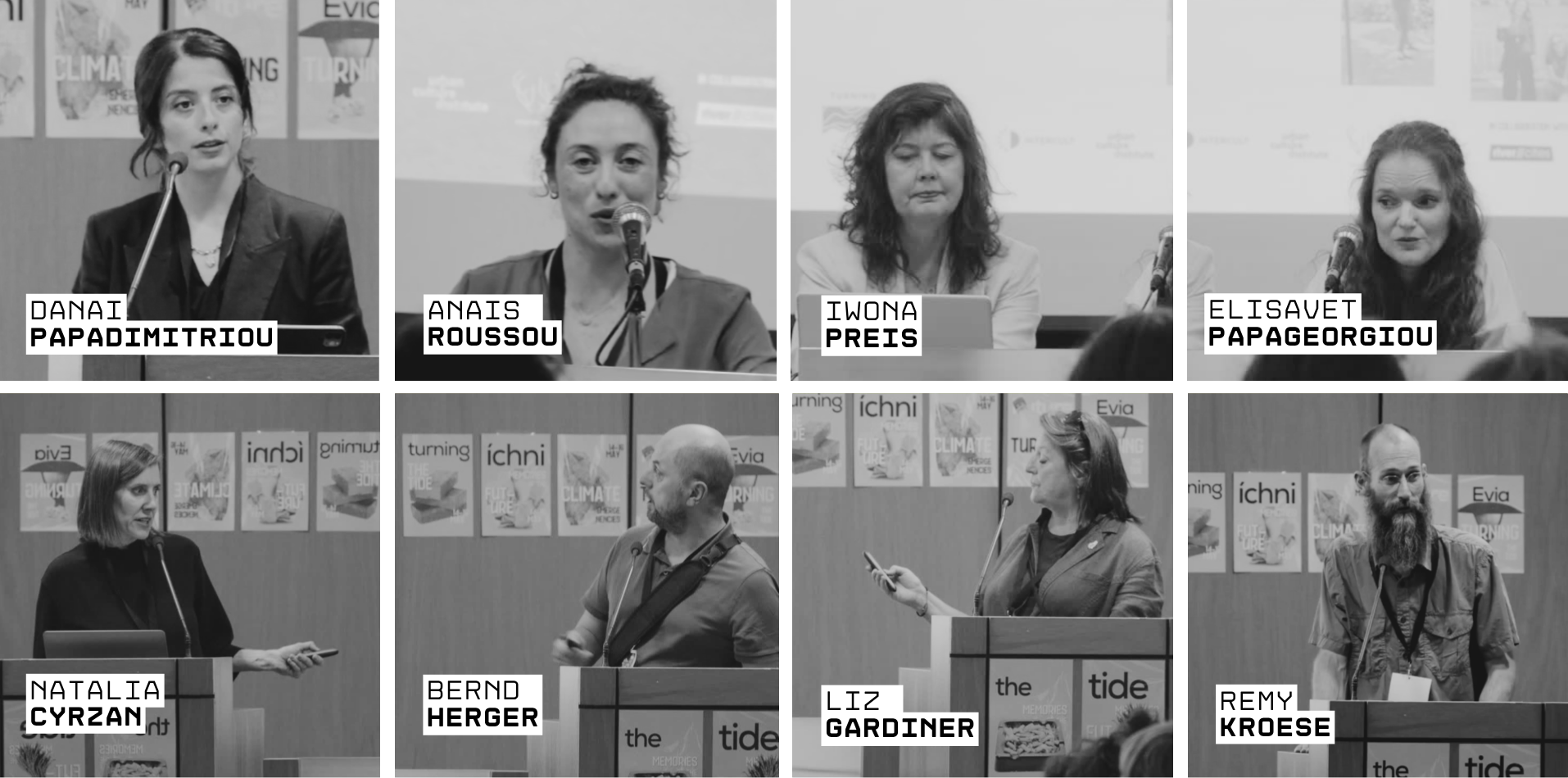
Moments from Partners' Presentations. Photo Credits: © WBA Herger/Seidl
Guest speakers expanded the conversation. Christina Leigh Geros from the Royal College of Art spoke about “knowledge infrastructures”, the ways we gather, visualise, and communicate data about climate change, and how these systems can be ethical, imaginative, and grounded in place.
Paris Papagrigoriou from Caritas Hellas offered community-based strategies for post-crisis recovery, focusing on trust-building, local wisdom, and participatory engagement. The photographer, Thodoris Nikolaou, reminded us that behind every environmental disaster there are human stories of loss, endurance, and identity and that photography, when used with care, can become a form of witnessing and repair.
The day surfaced key questions that would echo throughout the lab: How do we avoid extractive cultural practices? What does long-term accountability look like? And how can we build transnational solidarity through art? Rather than offering easy answers, the discussions opened space for nuance, reflection, and collective responsibility, setting the foundation for the work and conversations that followed.
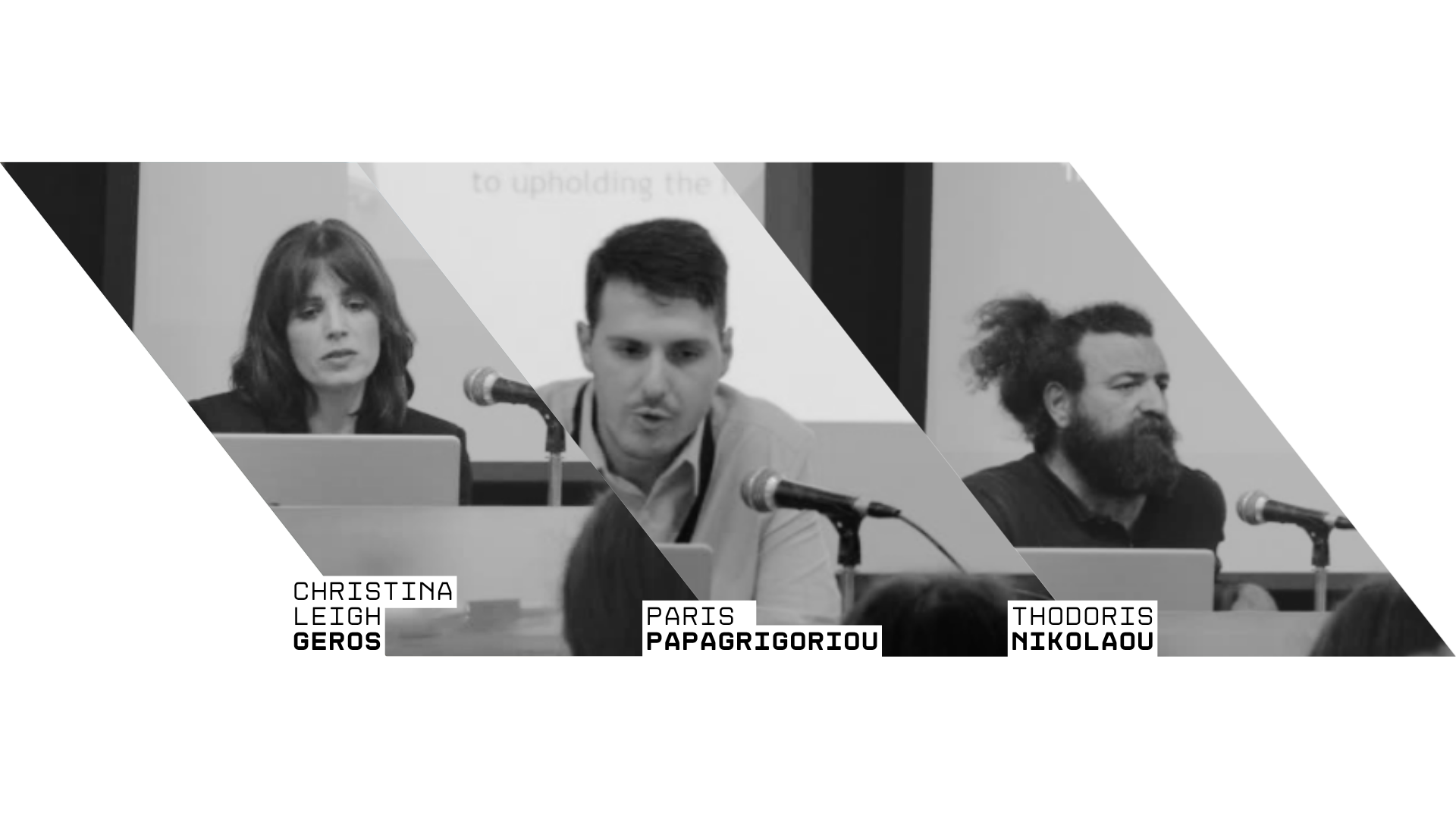
Moments from our Guest Speakers. Photo Credits: © WBA Herger/Seidl
Day 2: Listening to the Landscape
The second day of the Íchni Lab was dedicated to direct engagement with the region, an immersive field visit across Northern Evia, where the aftermath of wildfires and floods is still deeply felt, both physically and emotionally. The group visited Agia Anna, a village severely affected by recent environmental disasters, where we were warmly welcomed by the team from Caritas Hellas. Together, we walked through the village, learning firsthand about the challenges of rebuilding, not just homes and infrastructure, but trust, community life, and future prospects. These were not formal presentations, but informal, human conversations, the kind that stay with you.
In Limni, participants encountered another layer of the local story, one marked by beauty, displacement, and resilience. Here, artist Angela Liosi shared a site-specific presentation of her work, which explored the emotional landscape of the town through movement, sound, and memory. The visit concluded with a stop at the Forest Museum of Prokopi, run by the local association of volunteer firefighters, a space filled with images, tools, and testimonies that provided ecological context to the region’s vulnerability, offering insight into the relationship between deforestation, water flow, and the disasters that followed. It also reminded participants of the long-term, systemic nature of environmental fragility and the importance of thinking beyond quick solutions.
What made the day unforgettable, however, was not part of the official agenda. As the group walked through one of the villages, a local woman, Ms. Sofia, approached us unprompted and began to share her story. She spoke about the fear she felt as the fires approached, the damage the floods caused to her home and land, and how her family was still trying to recover. Her words, spoken quietly and from the heart, were a powerful reminder that collective trauma lives in people, not just policies and that healing begins with being heard.
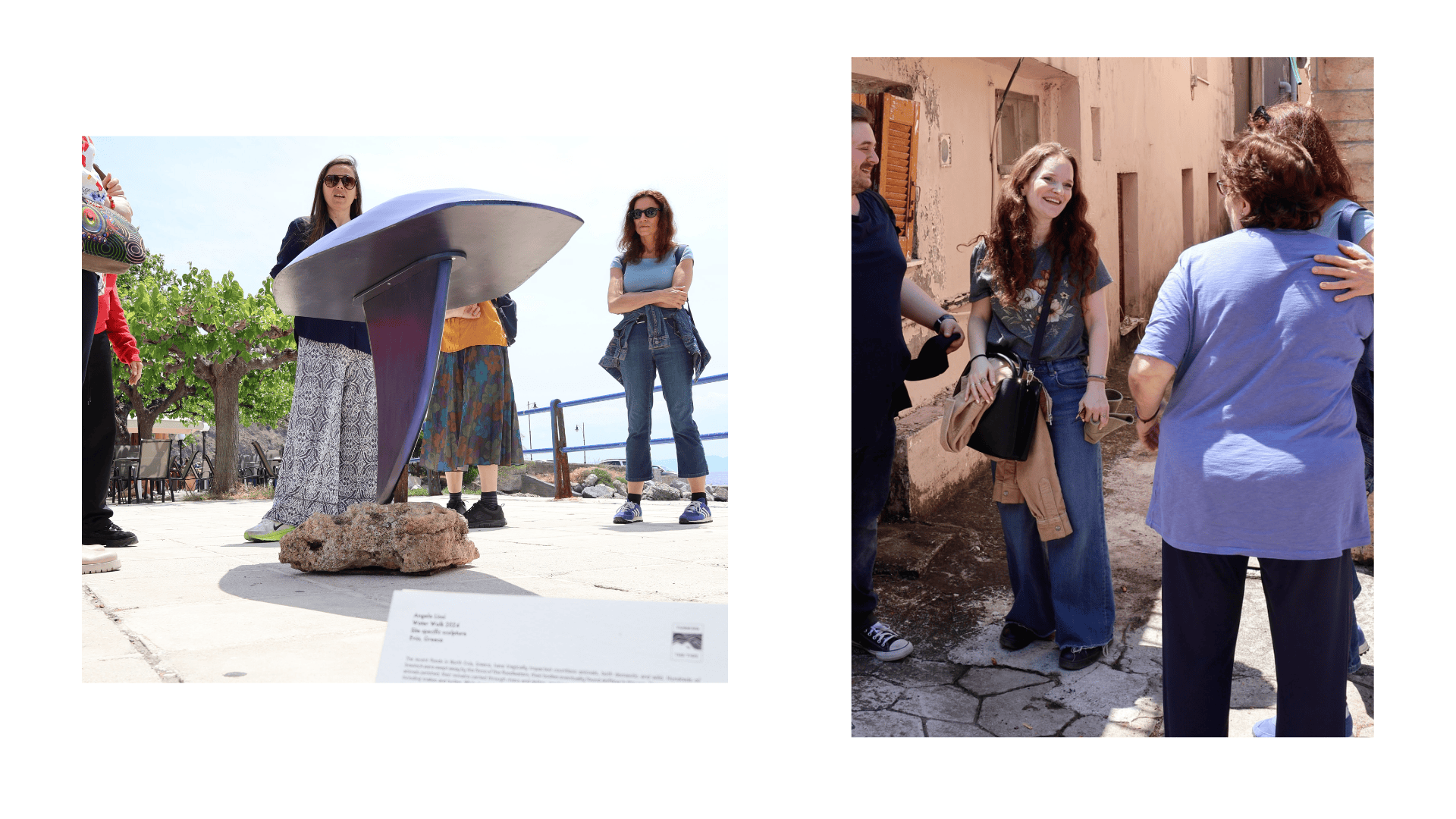
Angela Liosi presents her Artwork. Partners meet with Ms. Sofia in Agia Anna
Photo Credits: © WBA Herger/Seidl
Day 3: Exhibition
The exhibition Íchni: Memories of the Future, curated by Valia Almpani, featured seven artists who responded to the lived and ecological realities of Evia through new, site-responsive works. Each artist spent a month embedded in the region, engaging with the land, the people, and the emotional weight of a place deeply marked by wildfires, floods, and systemic neglect. Here is what they shared with us:
Zoe Franzén Lakides (Stockholm, Sweden)
Crumbles & Ash, 2025:
A physical performance and sound-based monologue that explored the emotional responses of residents witnessing environmental transformation. Through the metaphor of a tree transplanted into unfamiliar soil, Zoe reflected on displacement, belonging, and the body’s navigation of grief and change.
Zoe during her artistic presentation. Photo Credits: © WBA Herger/Seidl
Jo Hodges & Robbie Coleman (Moniaive, Scotland)
Six Bowls: Ecologies of Resistance, 2025
A participatory installation using six elemental materials, water, air, burnt wood, honey, stone, and silt, to propose new ways of thinking about extractivism, planning, and political imagination. The bowls offered tools for reflection, speculation, and communal repair.
Campfire Tales, 2025
A poetic gesture toward future conversation: six bundles of firewood from Evia’s scorched landscapes, designed to ignite dialogue and warmth. The work reclaimed fire not as destruction, but as connection and story-sharing, honouring rural traditions and collective memory.
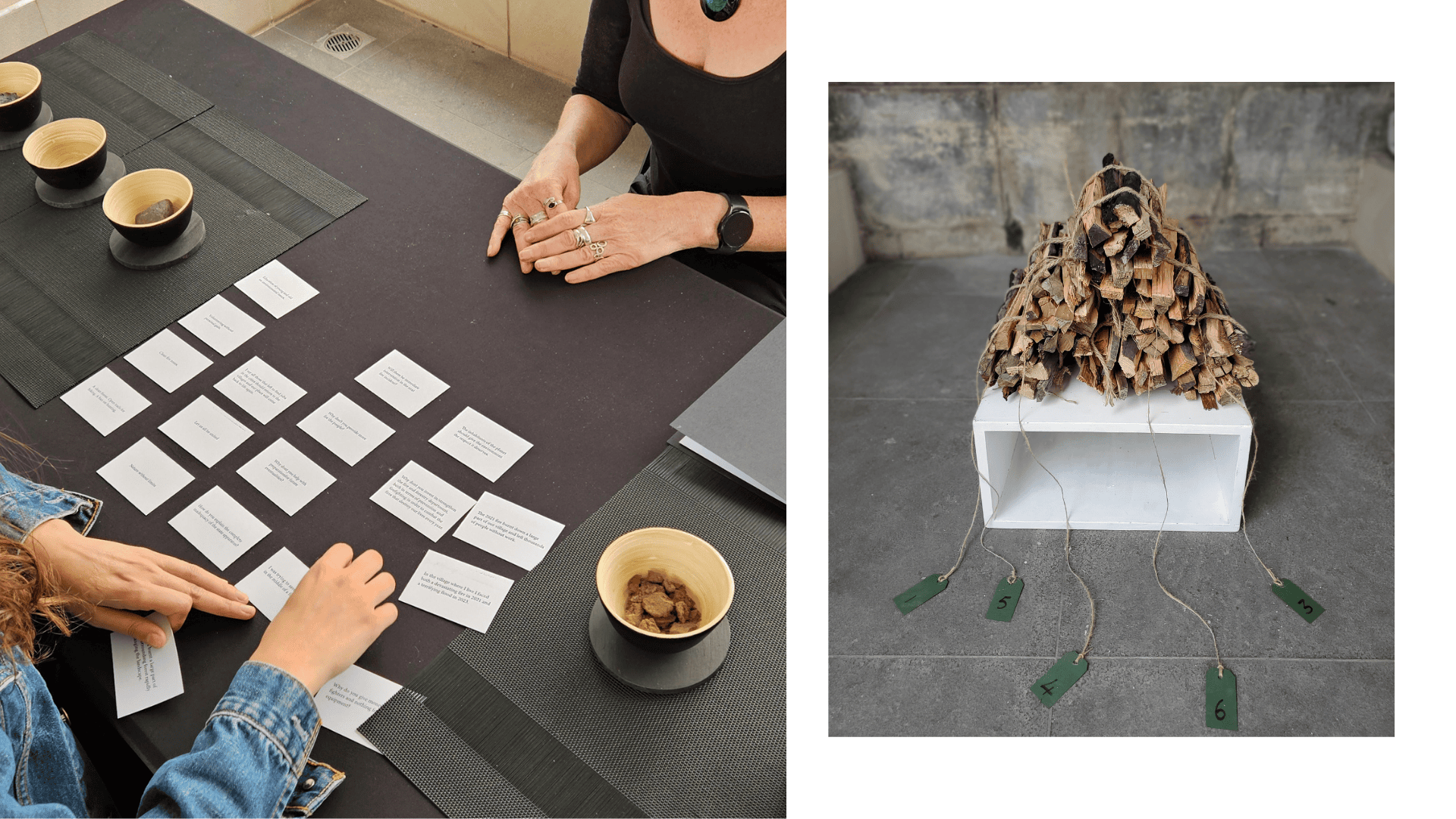
Left image: "Six Bowls" in action. Right Image: 'Campfire Tales' Photo Credits: ©WBA Herger/Seidl
Johanna Tinzl (Vienna, Austria)
On Agreeing, 2025
A sculptural work exploring resistance and participation through language and materials. Using burnt wood and metal, Johanna staged a symbolic dialogue between OXI (NO) and NAI (YES), asking how societies can co-create justice, transparency, and action in times of climate emergency.
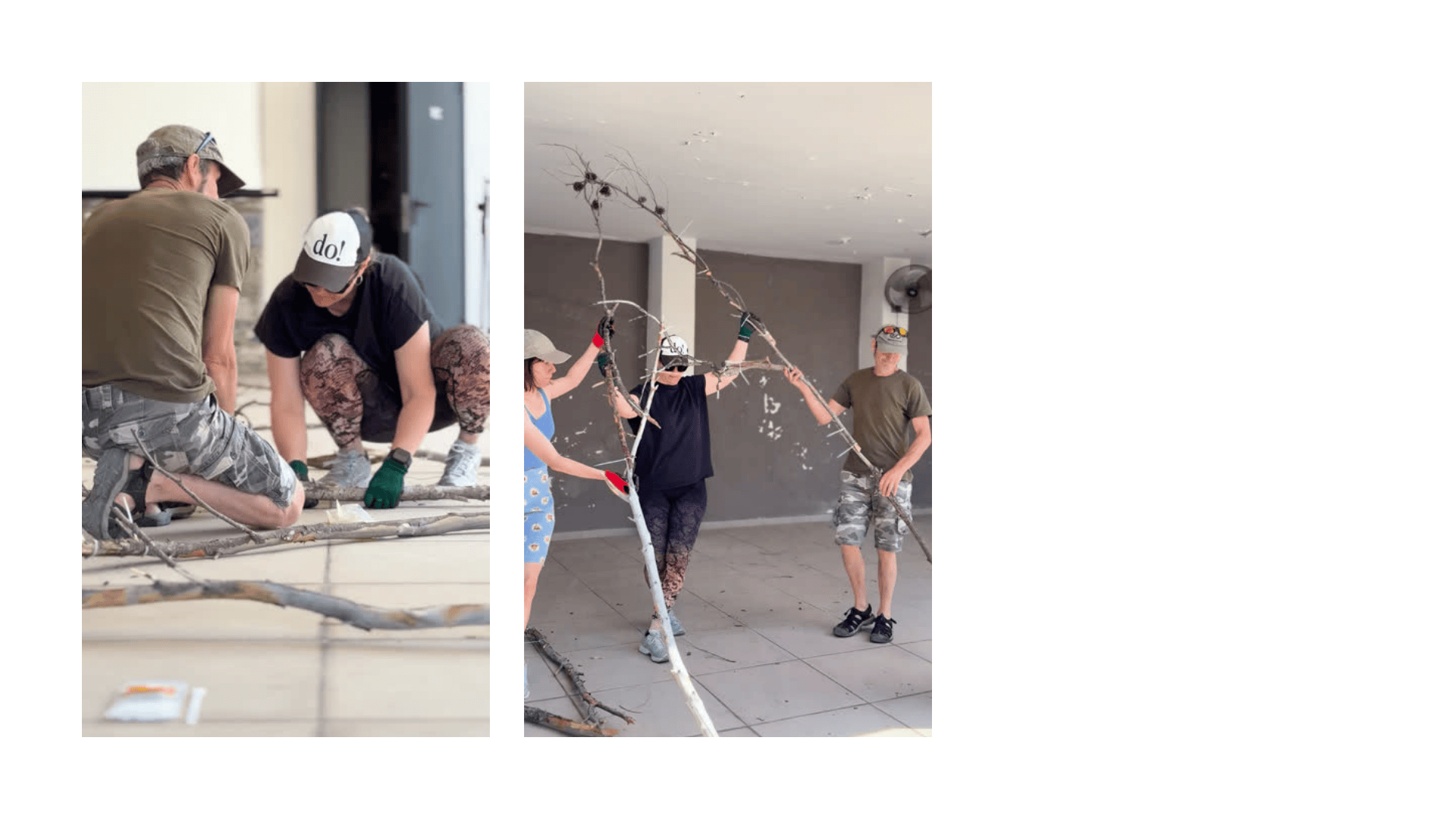
Moments from the installation of "On Agreeing" in Tetartokyklio.
Eleni Vrettakou (Athens, Greece)
Un/making ground, 2025
Using pine wood, ashes, wild clay, and film, Eleni gathered materials left behind by floods and fires, charred trees, silt, sediment, to reflect on erosion, temporality, and infrastructure failure. Her sculptural forms, reminiscent of domestic ruins, were left unfinished and exposed to touch, time, and weather, evoking the fragility and endurance of both matter and memory.
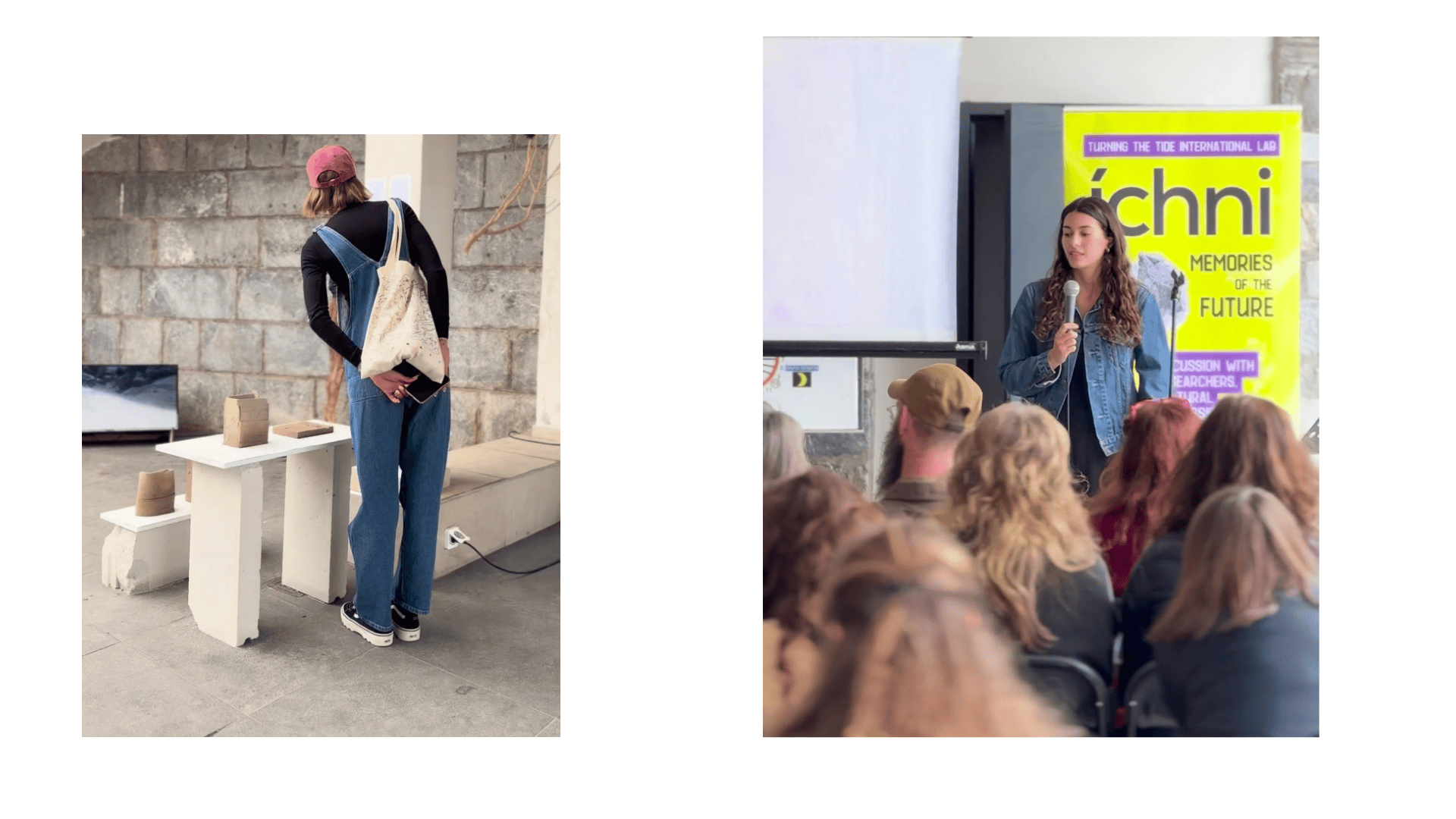
Final works and presentation by Eleni Vrettakou.
Froso Papadimitriou (Sitia, Greece – London, UK)
The Golden Pine Cone, 2025
A series of watercolours and digital prototypes shaped by testimonies from locals. Froso explored how neglect, mismanagement, and political failure turn environmental risk into catastrophe and how storytelling can reframe trauma into collective insight. Co-existence, 2025 Created in collaboration with children from Kourkouloi, Kexries, and Skepasti, this canvas work used white threads on white backgrounds as metaphors for forgotten relationships with nature. Through the children’s colouring, those hidden connections were brought back into visibility. Fairytale Prototype (within Golden Pine Cone) A visual parable constructed from local testimonies, not to escape, but to reimagine. Froso used metaphor and narrative to help viewers reflect on systemic complexity and environmental injustice.
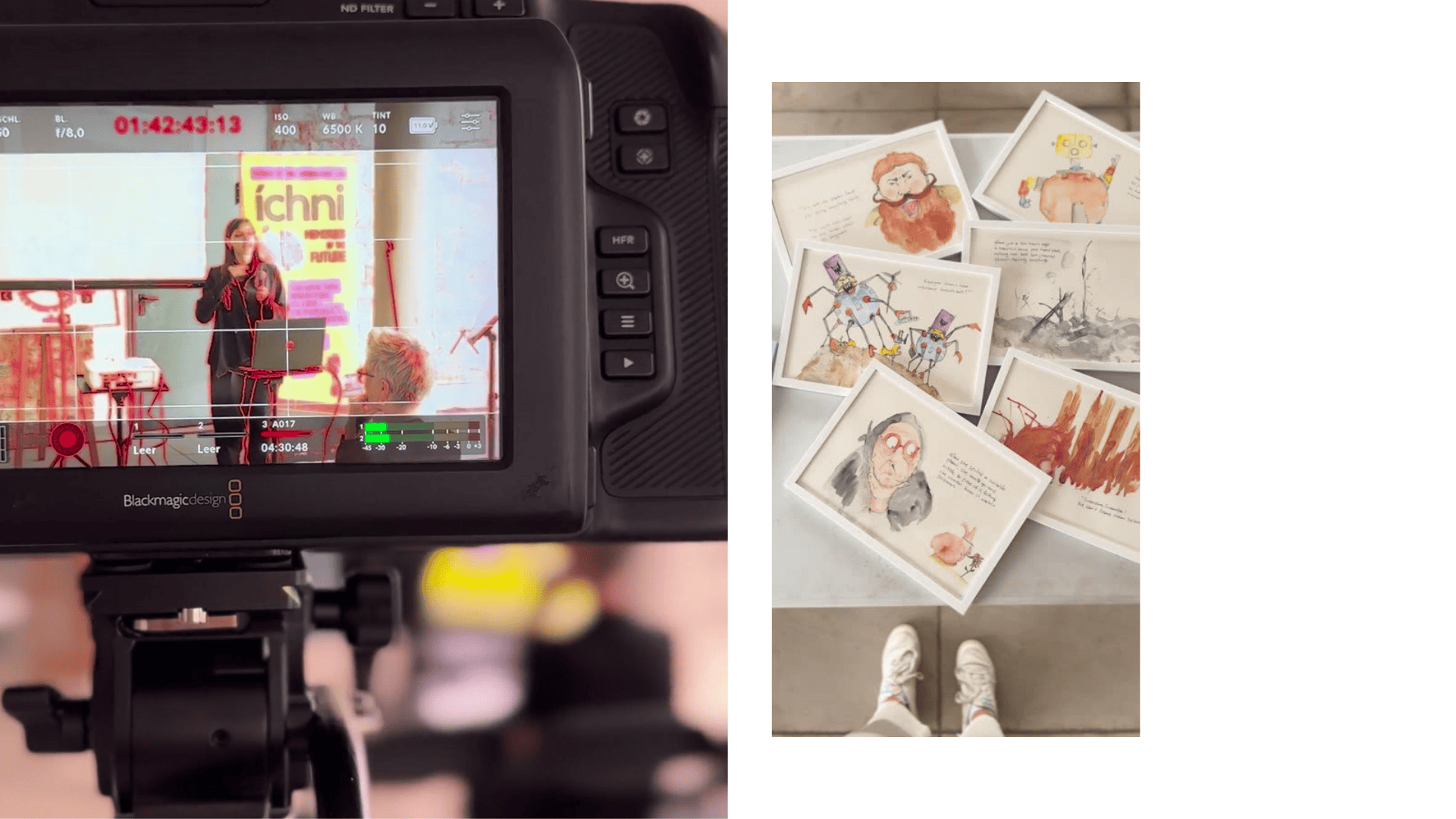
Part of the final works and presentation by Froso Papadimitriou.
Omeeros (Chalcis, Greece)
Asymmetrical Care, 2025
An installation using soil, living plants, and a dehumidifier, Omeeros drew a direct parallel between the emotional flooding caused by overcare and the literal flooding experienced in Evia. The work questioned how even nurturing forces like love and water can become overwhelming if unbalanced and asked us to reflect on limits, connection, and the ecology of care.
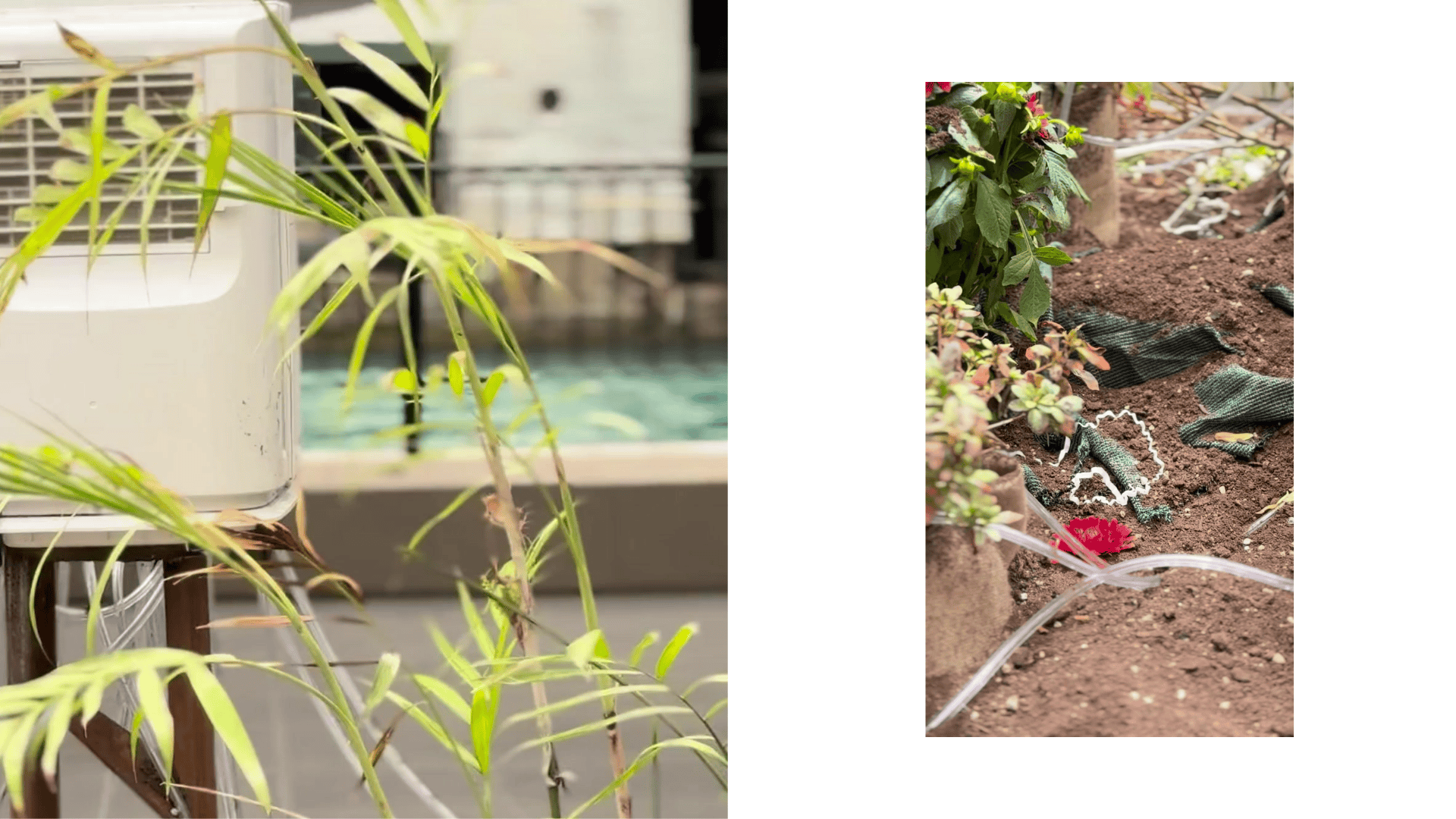
Close-ups from Omeeros' Installation.
Giannis Koulouridis (Chalkida, Greece)
Untitled, 2021–2022
A series of oil paintings that captured the psychological and environmental aftermath of natural disasters. The works reflected on evacuation, energy politics, and human survival, transforming abstract landscapes into visual metaphors of loss, power, and adaptation.
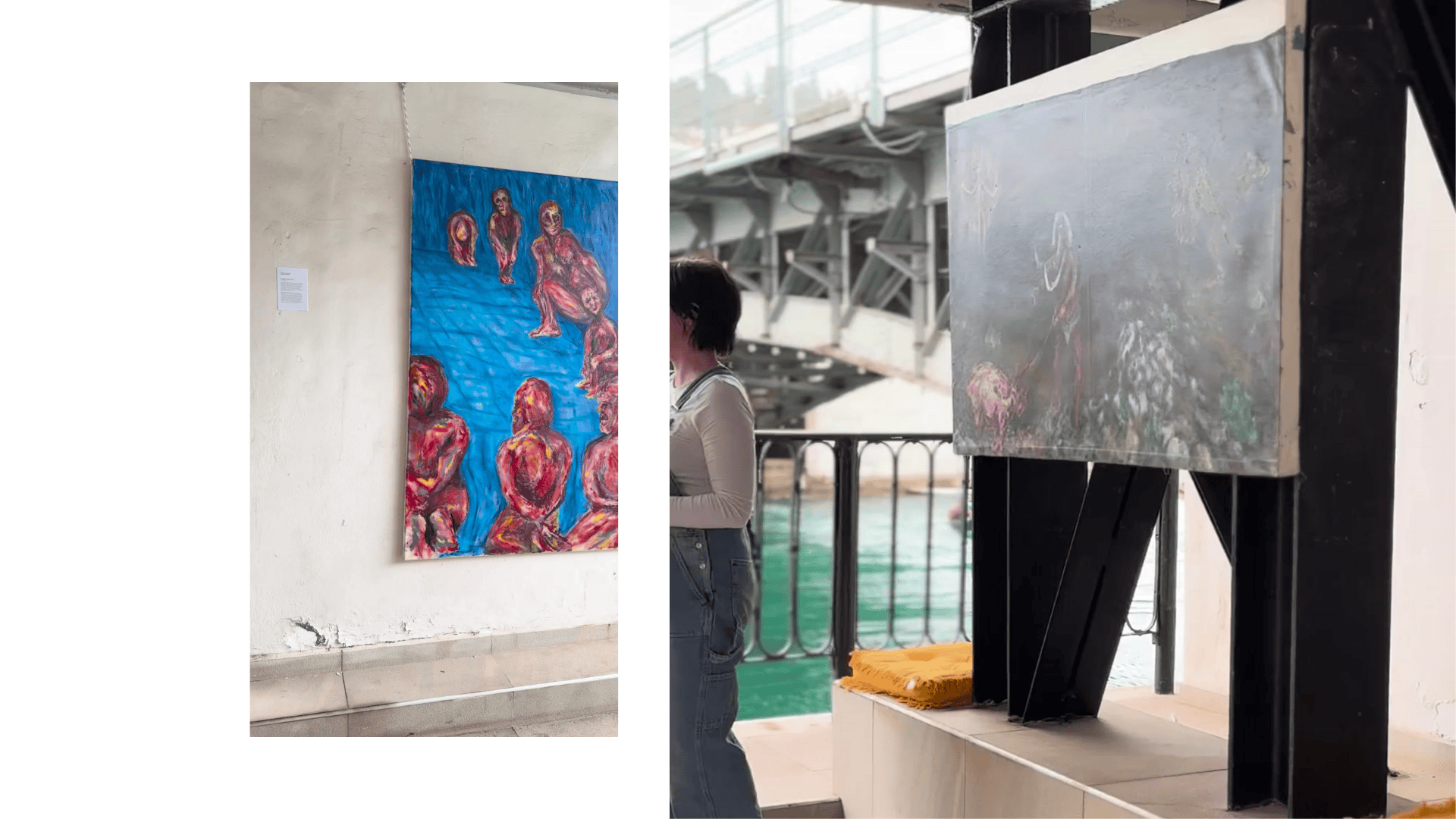
Final works by Giannis Koulouridis.
Watch moments from the artists’ work-in-progress and final pieces here: https://www.instagram.com/p/DJ91U-2ICKq/
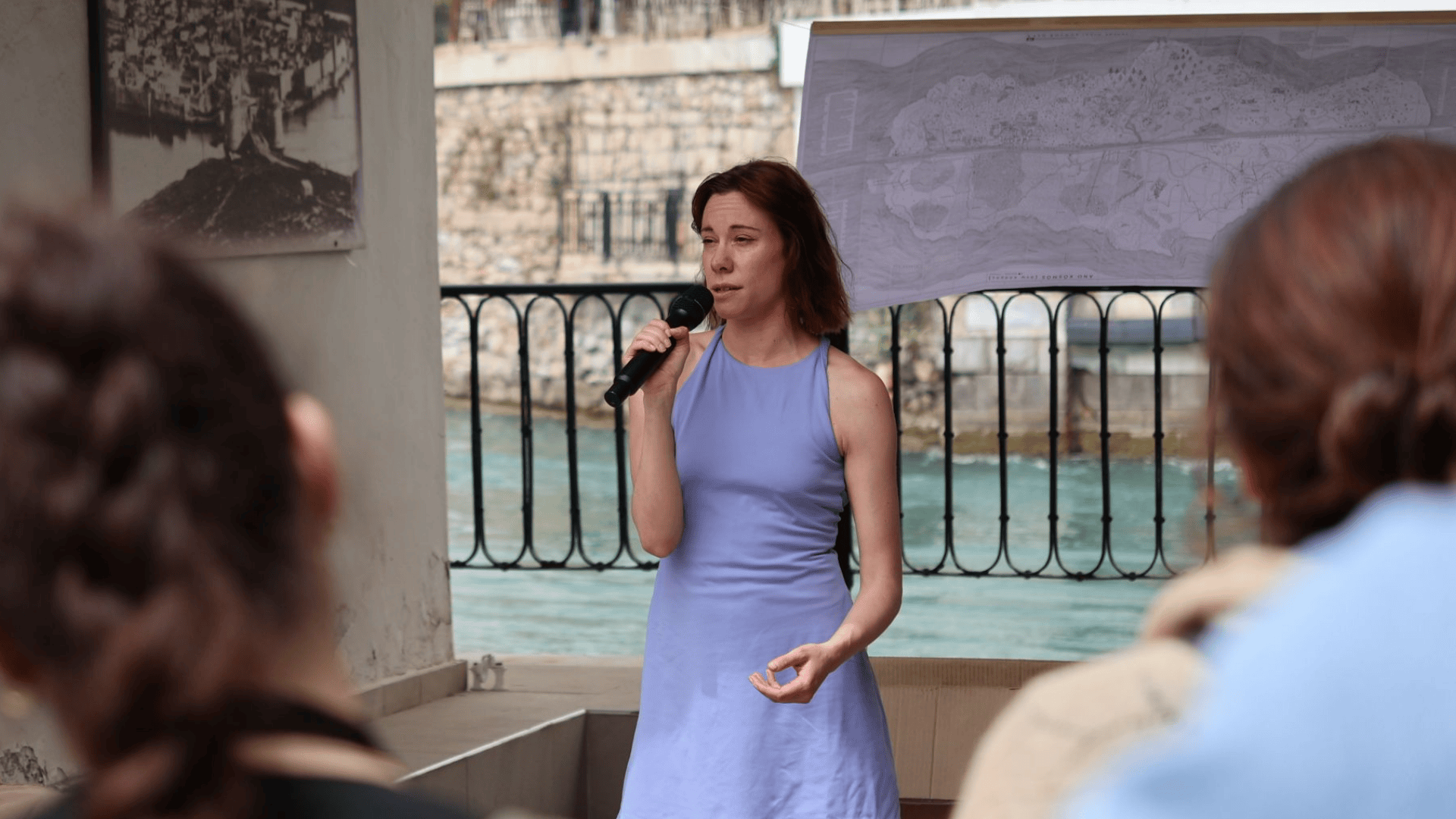
The public also encountered a powerful cartopological mapping work by Dear Hunter (Marlies Vermeulen and Remy Kroese): Káto Kósmos & Áno Kósmos on Evia, 2025
A result of six weeks of embedded fieldwork, this map layered personal observation, local storytelling, and institutional memory to highlight the disconnect between lived experience and formal planning. It revealed two parallel realities, the world above (institutional) and the world below (communal, felt), offering an alternative geography of Evia, one built on presence, perception, and narrative depth.
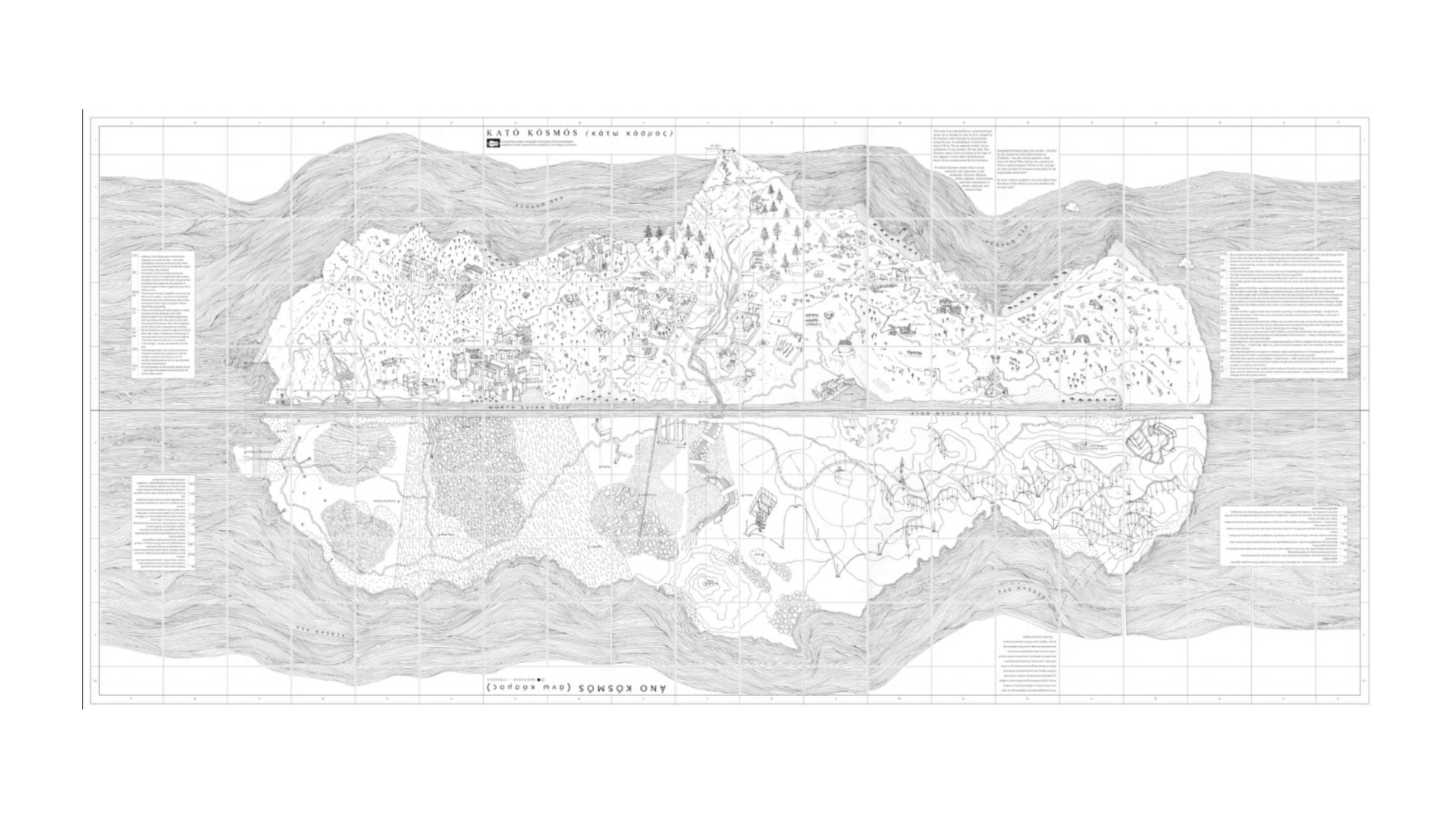
This large, detailed map captures the layered realities of Evia. All Turning the Tide maps will be published in an Atlas by Dear Hunter in 2026. Copyrights: Dear Hunter.
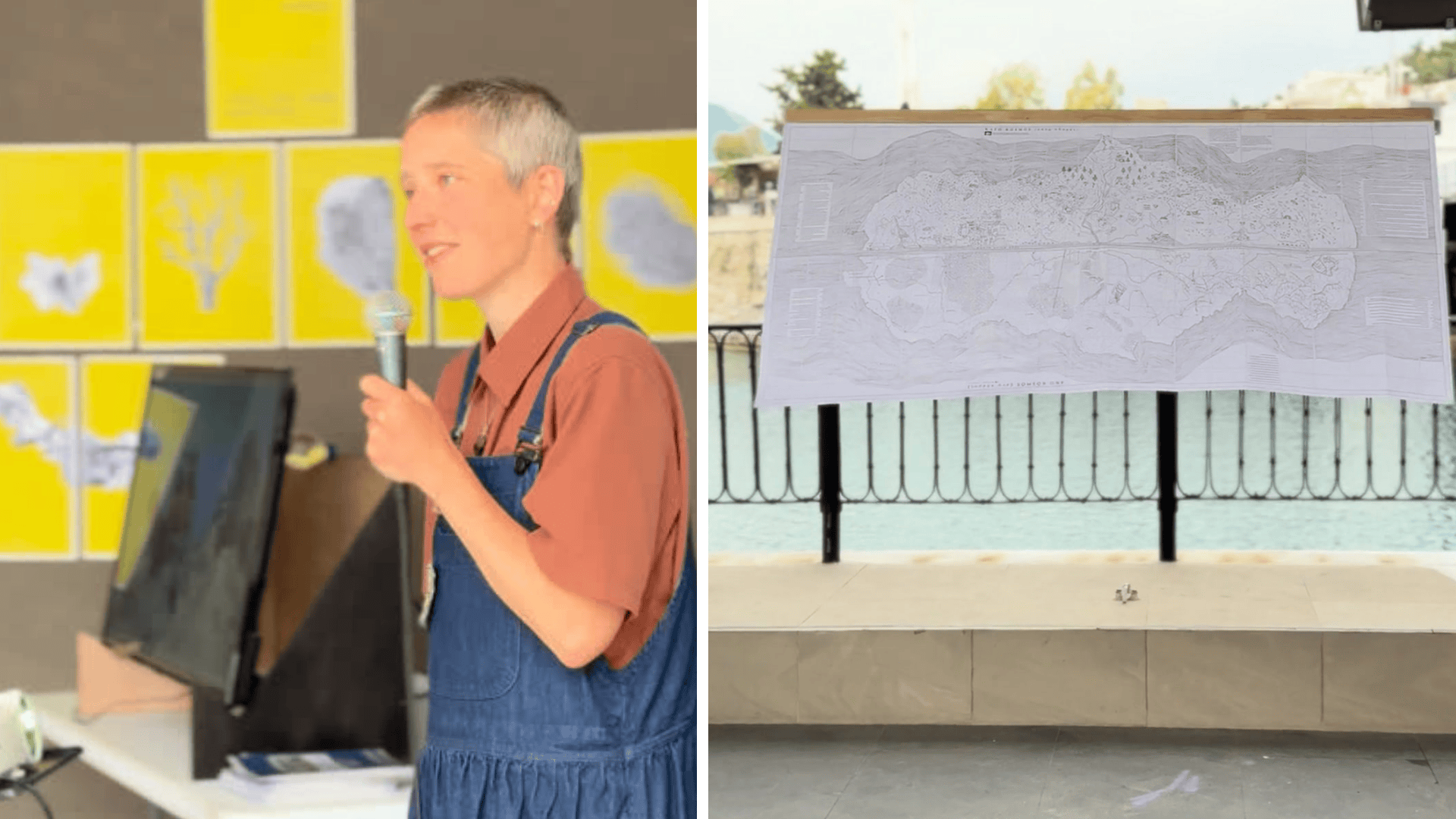
Marlies Vermeulen (co-founder of Dear Hunter) presents the cartopological map of Evia. Photo Credits: ©WBA Herger/Seidl
From Evia, Onward
Over the course of three days, the Íchni International Lab brought together artists, researchers, local communities, and partner organisations from across Europe to exchange ideas, share methods, and present new creative work shaped by lived experience in Evia. Through field visits, workshops, public talks, and an exhibition, participants explored how art can play an active role in restoring collective memory, supporting resilience, and opening dialogue in places affected by climate disaster.
We extend our warmest thanks to every artist, speaker, partner, community member, and collaborator who contributed time, care, and imagination to this process. We are especially grateful to the residents of Evia, who opened their homes, their memories, and their landscapes to us. Íchni is not a one-off event. It is a methodology. A mindset. At ARTIT, we believe that arts and culture has a critical role to play in times of crisis. That’s why we’re already planning to continue Íchni in other affected regions of Greece, with new residencies, new labs, and new communities. This is just the beginning. Let’s keep tracing what matters.
This initiative is part of Turning the Tide, a pan-European project co-funded by the Creative Europe Programme of the European Union. Through residencies, labs, and cultural actions in coastal and climate-affected regions across Europe, the project brings together artists, communities, and institutions to co-create responses to environmental challenges.
For more information about the project, click here: https://www.turning-thetide.com
